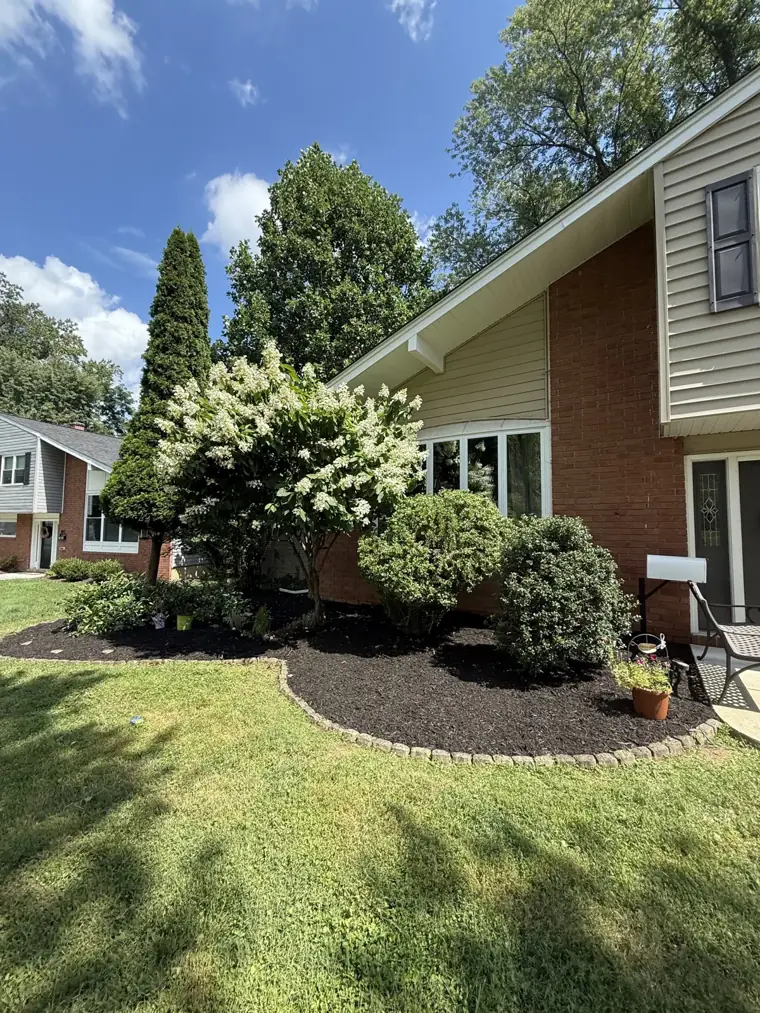
Landscape Design & Installation in Baltimore County
Whole-yard design and installation — grading, drainage, planting and lighting, handled as one job by one crew.
One crew, one plan, one person to call.
The usual way a yard gets built is in pieces, years apart, by different people. A patio from one contractor, planting from another, drainage bodged in later when it turns out the patio sends water at the house. Everything works individually and nothing works together.
Designing the whole thing first is what avoids that. Where the water goes, where the levels change, what is hard surface and what is planted, and what it will look like once the plants have three years on them — decided once, at the start, then built in a sensible order.
- Whole-yard layout planned before anything is built
- Grading and drainage resolved first, not retrofitted
- Hard landscaping and planting designed together
- Phased across seasons if that suits your budget
- One crew start to finish — no subcontractor blame
Design
We walk the yard, look at the fall, the light and what you actually use the space for, then plan the layout around that. The point is a yard that works in use, not a drawing that looks good on paper and is miserable to live with.
- Site walk and measure
- Layout planned around how you use the yard
- Materials and planting chosen together
Installation
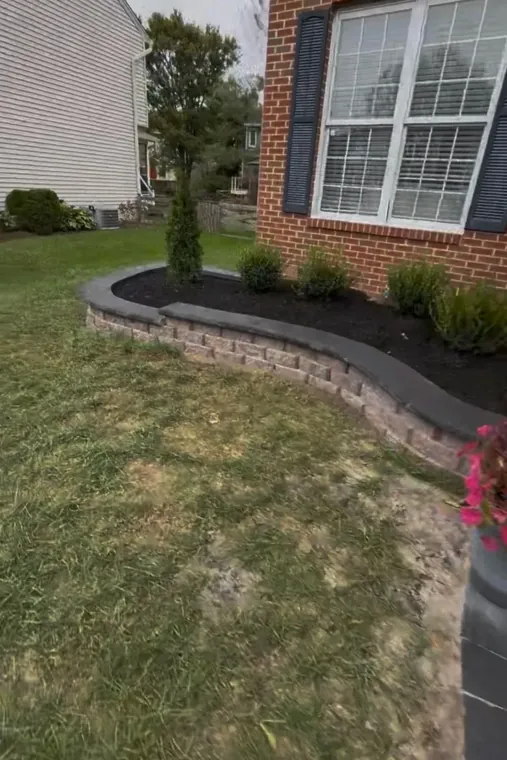
The same crew that planned it builds it, in the order that makes sense — drainage and grading before hard surfaces, hard surfaces before planting, planting before finish work. Nothing gets dug up twice.
- Grading, drainage and excavation
- Hard landscaping, planting and lighting
- Built in phases if the budget calls for it
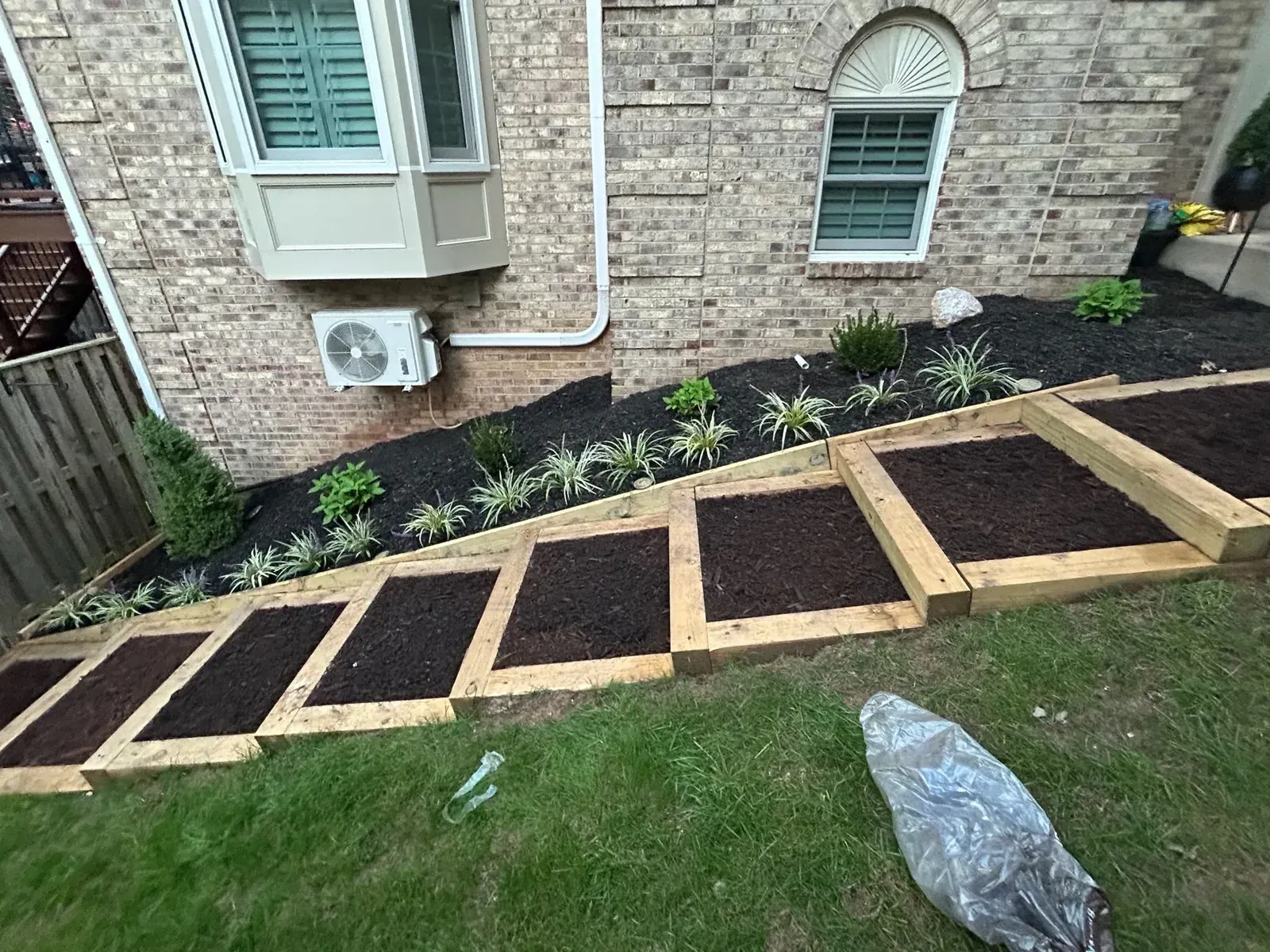
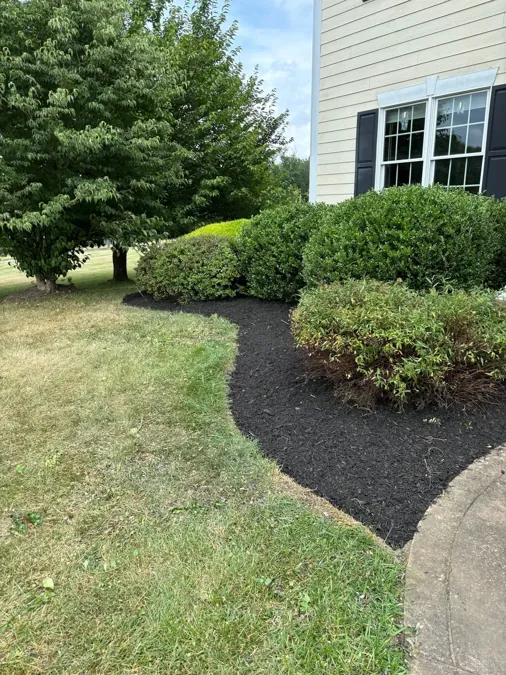
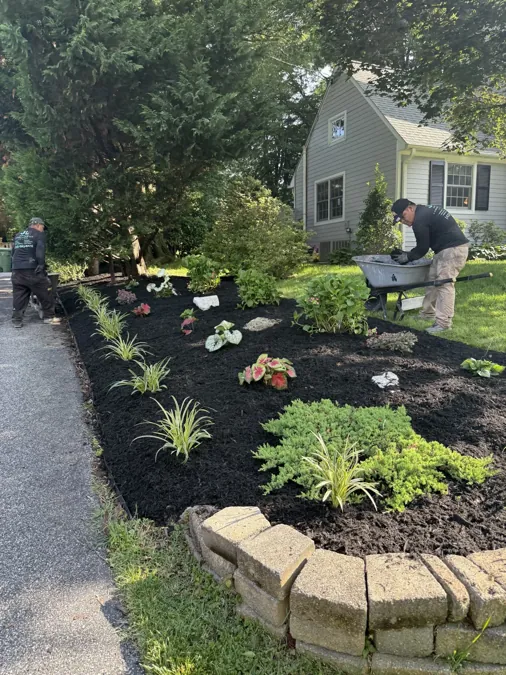
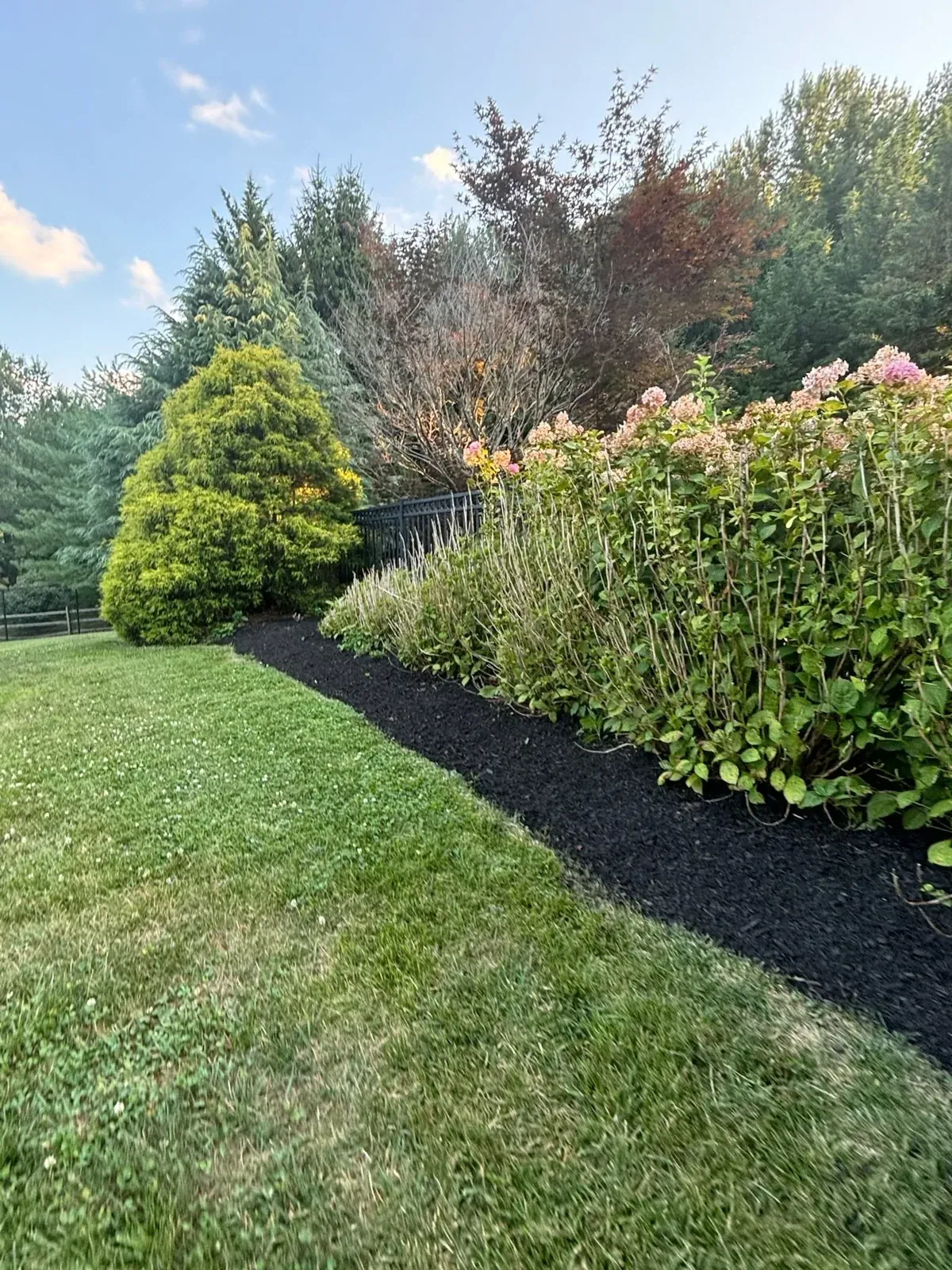
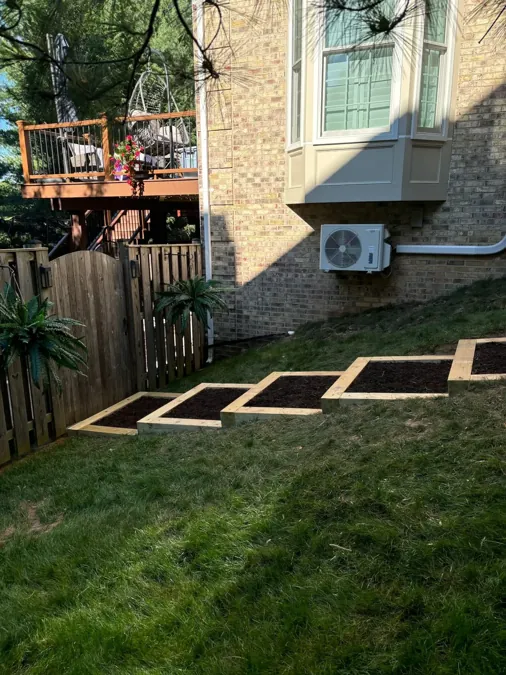
A look at the job.
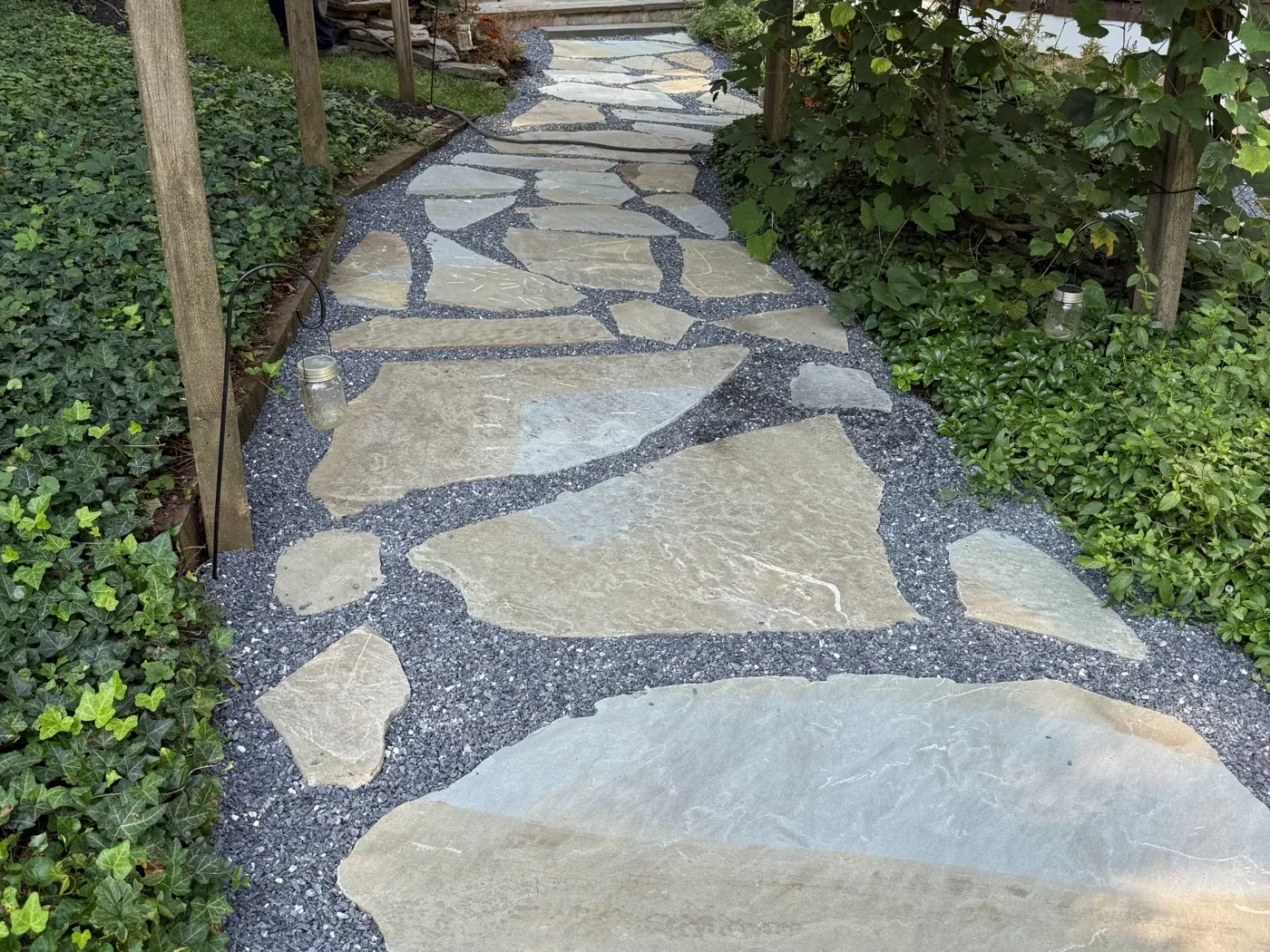
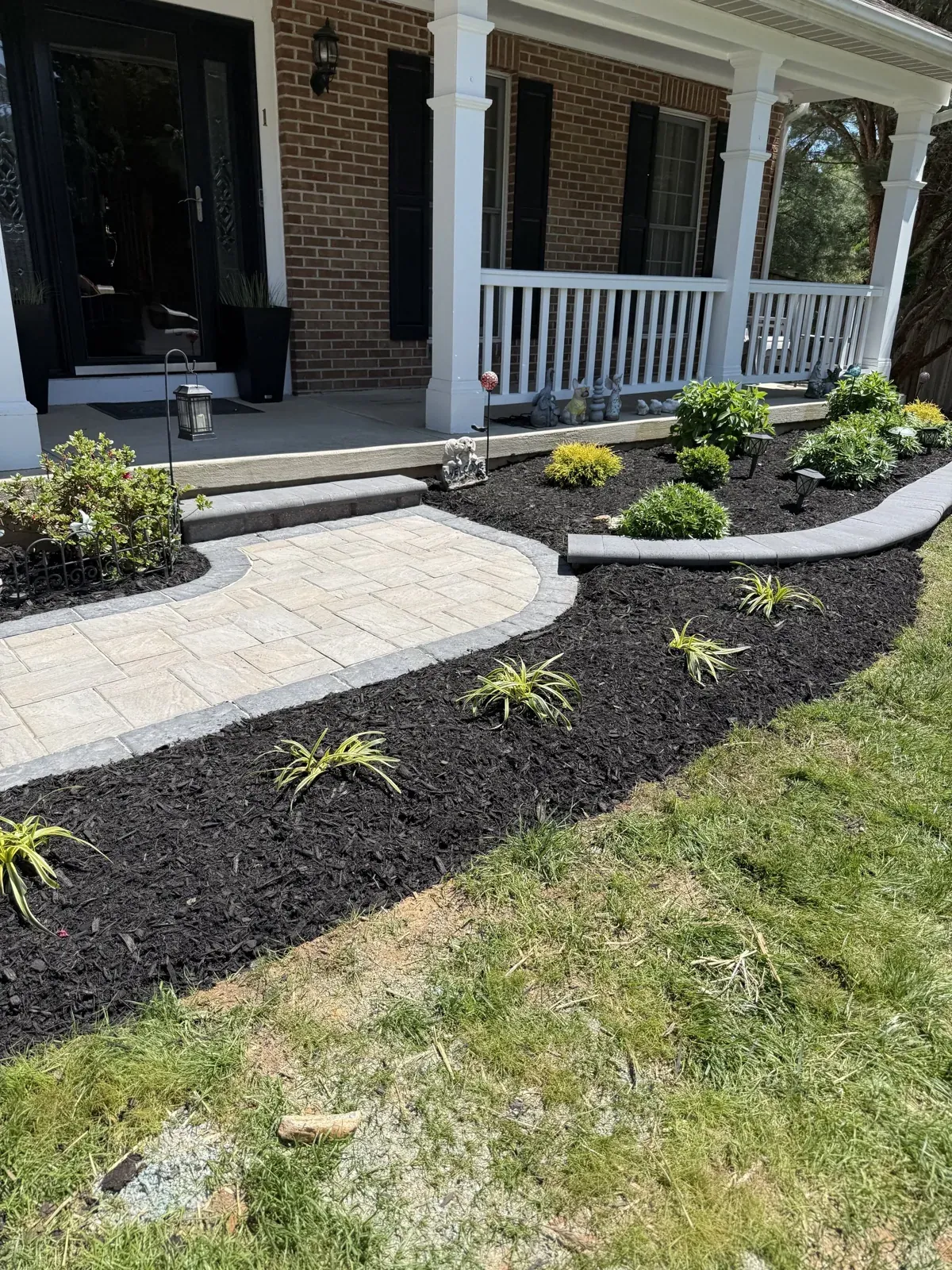
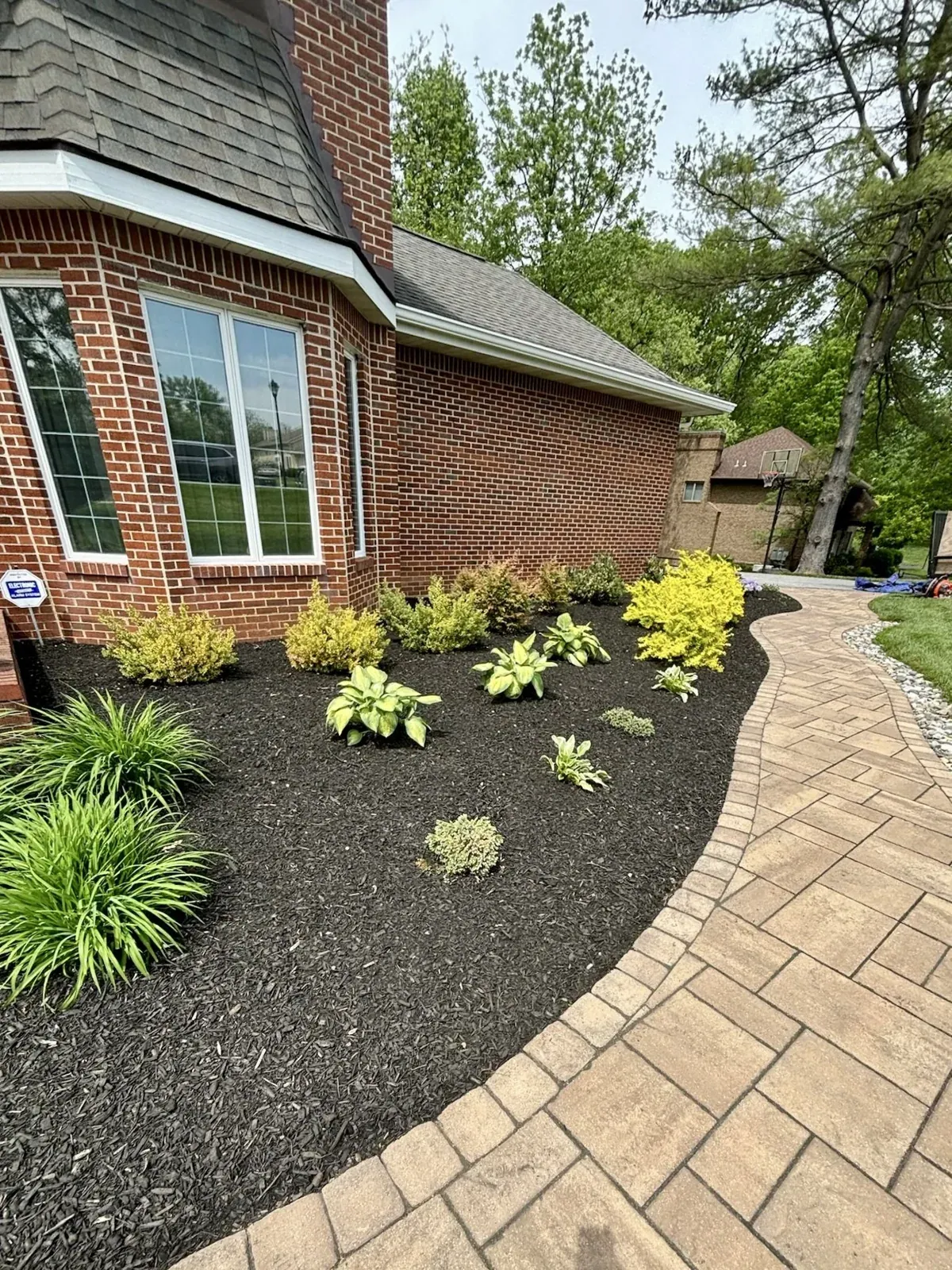
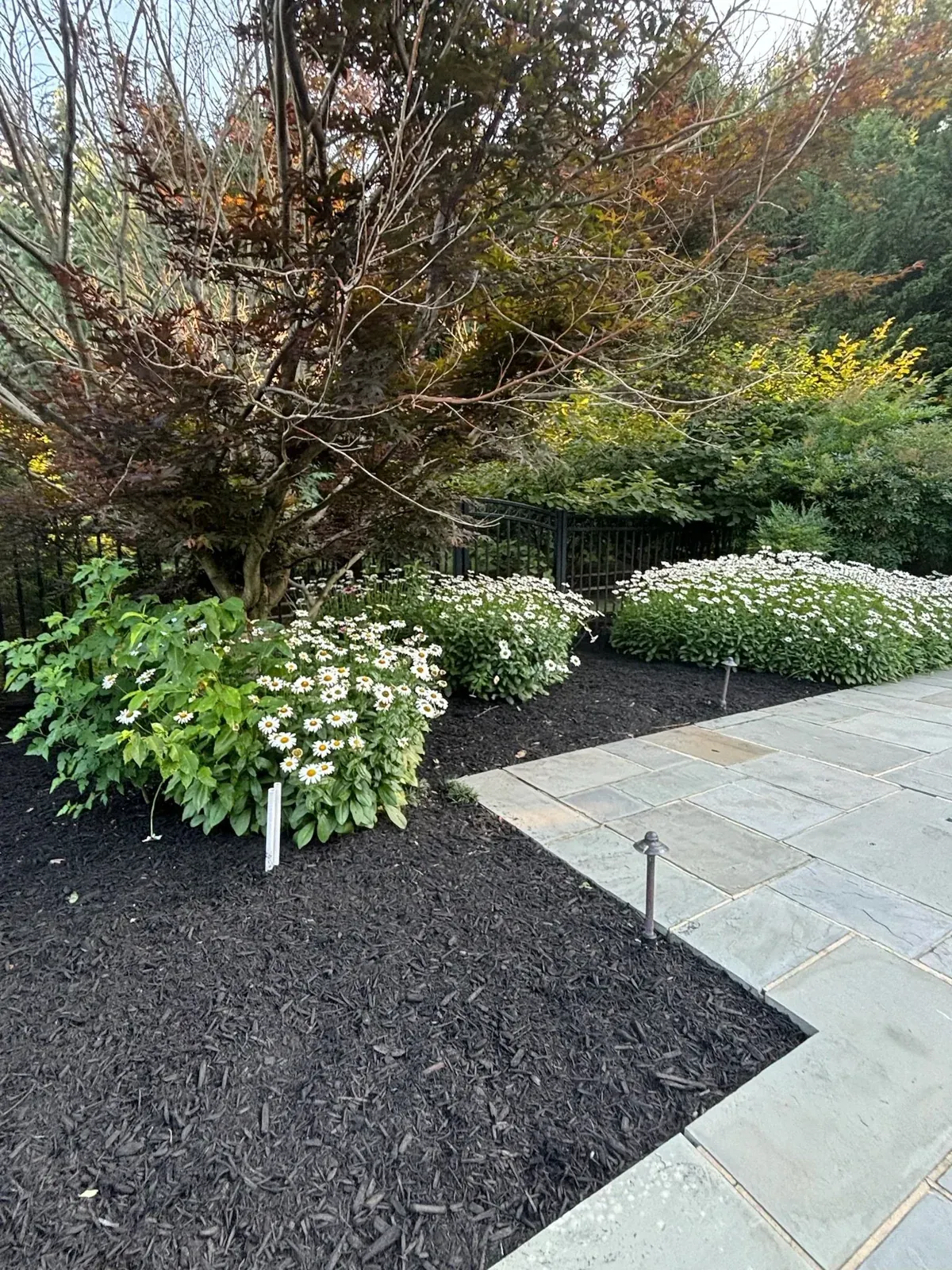
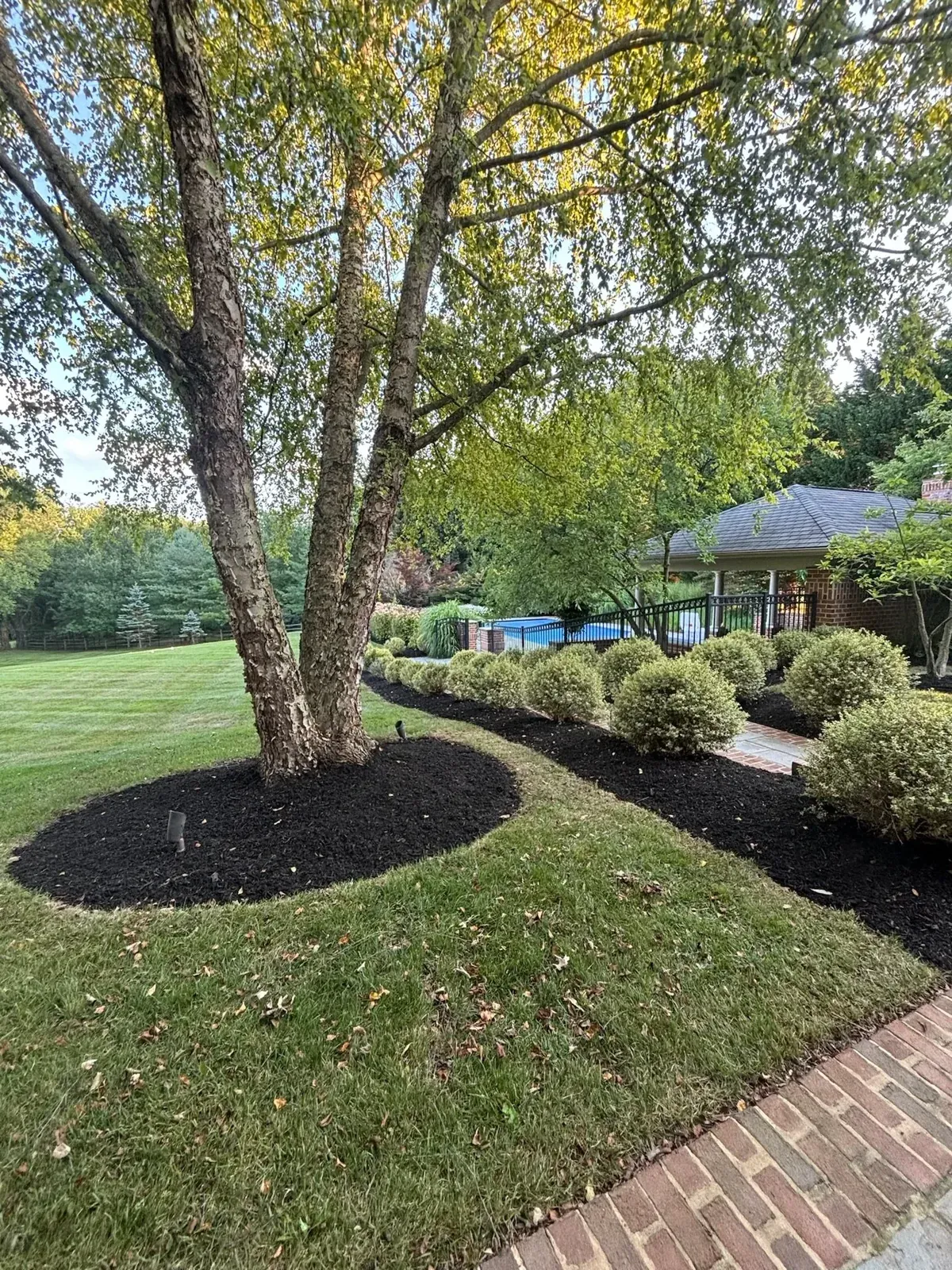
12 photographs from Jamatte landscape design jobs. Every one is our own work — no stock, no borrowed portfolio.
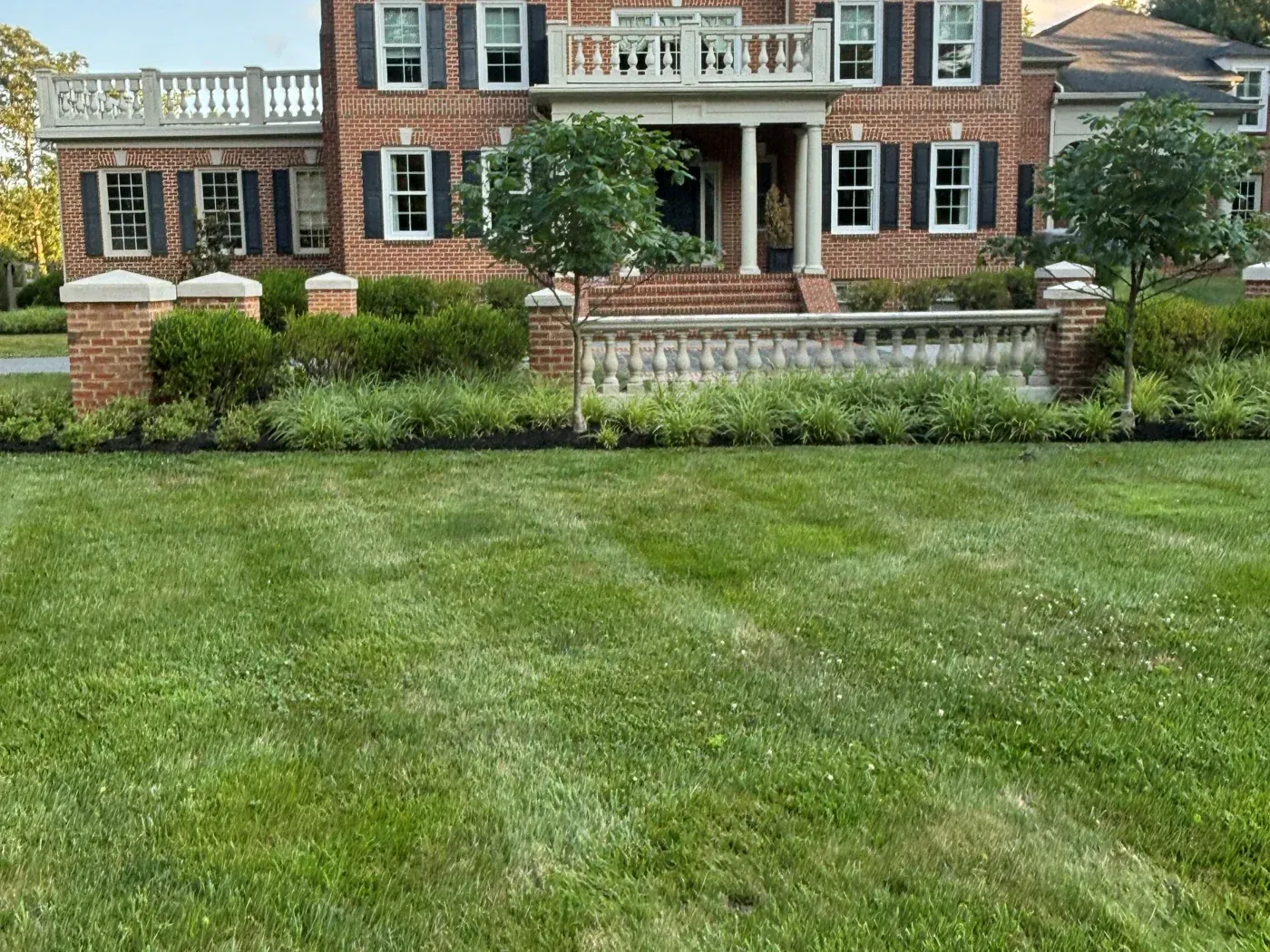
How a project runs
Walk the yard
Free, on site. We look at the ground and you tell us what you want out of it.
Plan and price
A layout and an itemized written quote. Phased if that suits you better.
Build in order
Drainage and levels first, surfaces next, planting last. Nothing dug up twice.
Walk it again
Together, before we leave. Then we come back to touch up what settles.
The order the work has to happen in
The order matters more than any single step. Most of what goes wrong on this kind of work is a stage done out of sequence, or skipped because it is buried by the next one.
Survey what is actually there
Measured, not paced. Grades, downspout outfalls, where water already goes in a storm, what sun each area really gets, and where the utilities run.
Drainage first, always
Every later decision assumes water goes where you decided it goes. Retrofitting drainage under a finished yard means taking the finished yard up again.
Hardscape next
Walls, steps, walks and patios go in while machinery can still reach the site without crossing anything you care about.
Then soil and final grading
Levels are trued against the hardscape once it is set, rather than guessed beforehand.
Planting
Plants go in after the machines have finished, into soil that has not just been driven over and compacted.
Lighting and irrigation before the lawn closes
Cable and pipe are trenched while there is still bare ground to trench through.
Lawn last
The lawn is the finishing layer. Anything laid earlier gets churned by the work that follows it.
Where whole-yard projects go wrong
Knowing how this work fails is most of how you judge a quote for it. If a price looks low, this is the list to ask about.
Planting before drainage
The most expensive mistake available, because fixing the drainage afterwards means lifting the planting that was done first.
Lawn laid before the heavy work
It gets driven over. Sequence is not a formality - it is most of what separates a job that stays good from one that has to be redone in pieces.
Plants sized for the day they go in
A bed that looks right on handover and is a thicket by year six. Spacing has to be for the mature size, which means it looks sparse at first, and should.
Right plant, wrong aspect
Sun plants in shade sulk; shade plants in full southern sun scorch. That is decided by the survey, not at the nursery.
A drawing nobody can build
A design that never had grades, drainage or access checked is a picture, not a plan.
About this kind of job.
“Nicholas proved to be an outstanding landscaper for multiple reasons. He was both creative and knowledgeable when suggesting solutions to my backyard water-logging problems. His team cleared away unwanted brush and yard waste, then added a vertical drainage system so the excess water does not just go to my neighbor’s property, a lovely retaining wall, and installed small trees and bushes.”
“Handled unexpected on-site challenges with creative, practical solutions.”
Asked and answered.
Do I need a full design, or can you just build the bit I want?
Plenty of jobs are simply the bit you want, and that is fine. A full design earns its keep when several things need to happen, when levels or drainage are involved, or when you want to build it over a few years without the first phase getting in the way of the third.
Can the work be split across seasons?
Yes, and it often should be. Phasing lets you spread cost and put the work in the right season. The plan is what keeps the phases consistent so it does not end up looking assembled.
Do you use subcontractors?
No. The crew that quotes the job is the crew that builds it. That is the main reason our reviews say what they say about knowing who is in your yard.
What if I do not know what I want?
That is the normal starting point. You do not have to arrive with a plan — that is what the free walkthrough is for. Tell us what annoys you about the yard now and we will take it from there.