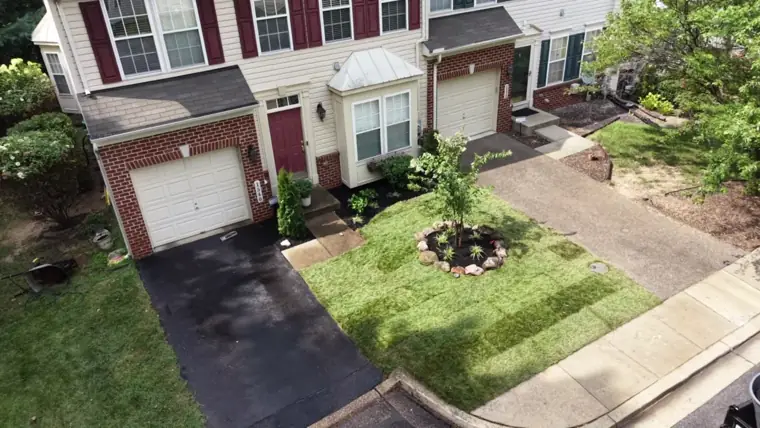
Sodding & Lawn Care in Baltimore County
New sod, overseeding, aeration and the regular cuts that keep it looking like it did on day one.
A lawn is a surface, not a decoration.
Maryland sits in a transition zone, which is an awkward place to grow grass. It is too hot in August for the cool-season grasses that do well further north, and too cold in January for the warm-season grasses that thrive further south. Whatever you plant spends part of the year slightly unhappy.
That makes the groundwork matter more than the seed or the sod. Compacted clay, poor drainage and too much shade will beat any grass you put on top of them. We look at what is actually wrong with a lawn before recommending you re-turf it — sometimes aeration and overseeding fix the problem for a fraction of the cost.
- Soil and drainage assessed before anything is laid
- Grading corrected where water is sitting
- Fresh sod laid on prepared, not just raked, ground
- Overseeding and aeration for lawns worth saving
- Recurring cuts and seasonal maintenance
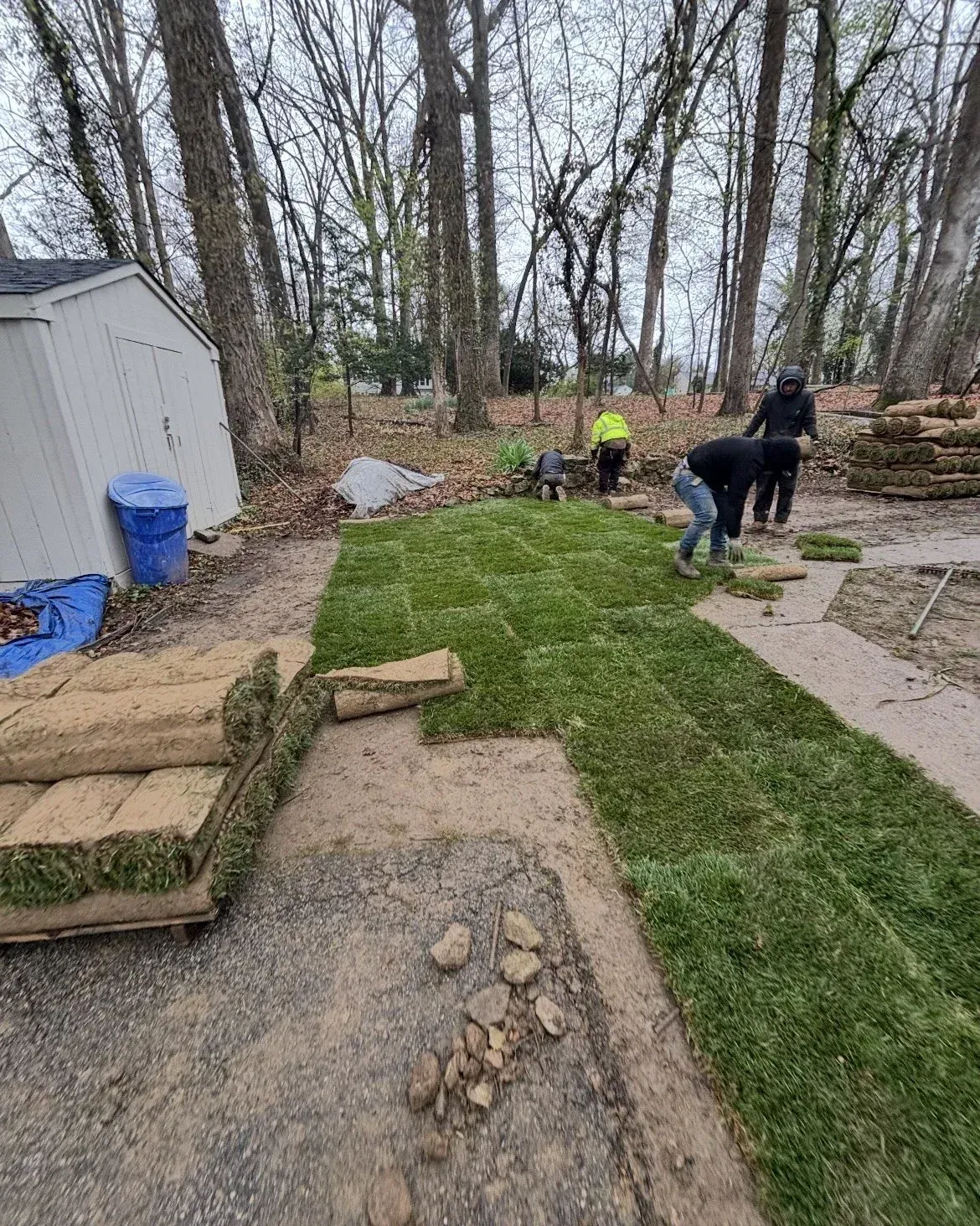
New sod
Instant lawn. Sod gives you a finished surface the day it goes down, which is why it is the answer after construction work, for erosion on a slope, or when a lawn is too far gone to rescue. It also needs watering properly for the first few weeks or it will not knit into the soil beneath.
- Full lawn replacement or patch work
- Ground prepared and graded before laying
- Watering schedule written down for you
Aeration and overseeding
If your lawn is thin rather than dead, this is usually the cheaper and better answer. Aeration pulls plugs out of compacted soil so air, water and roots can get down; overseeding fills the gaps before weeds do. Done at the right time of year it transforms a tired lawn.
- Core aeration to relieve compaction
- Overseeding to thicken thin turf
- Timed to the season rather than to the calendar
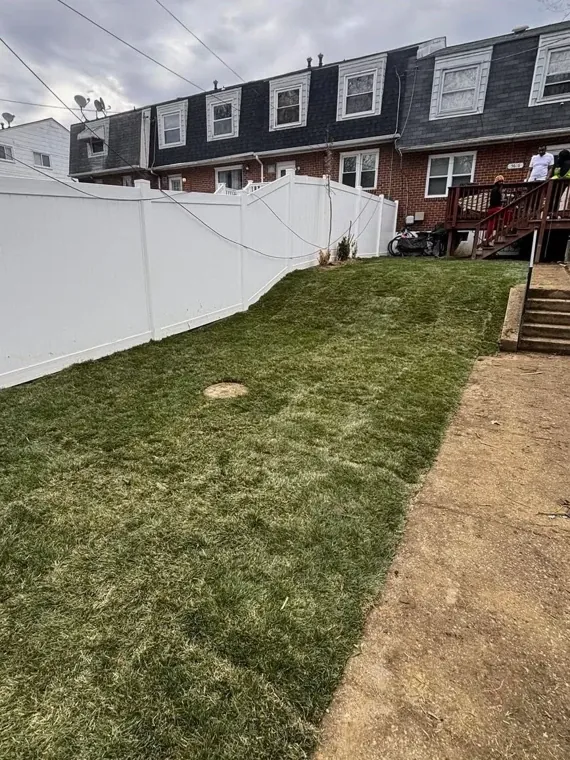
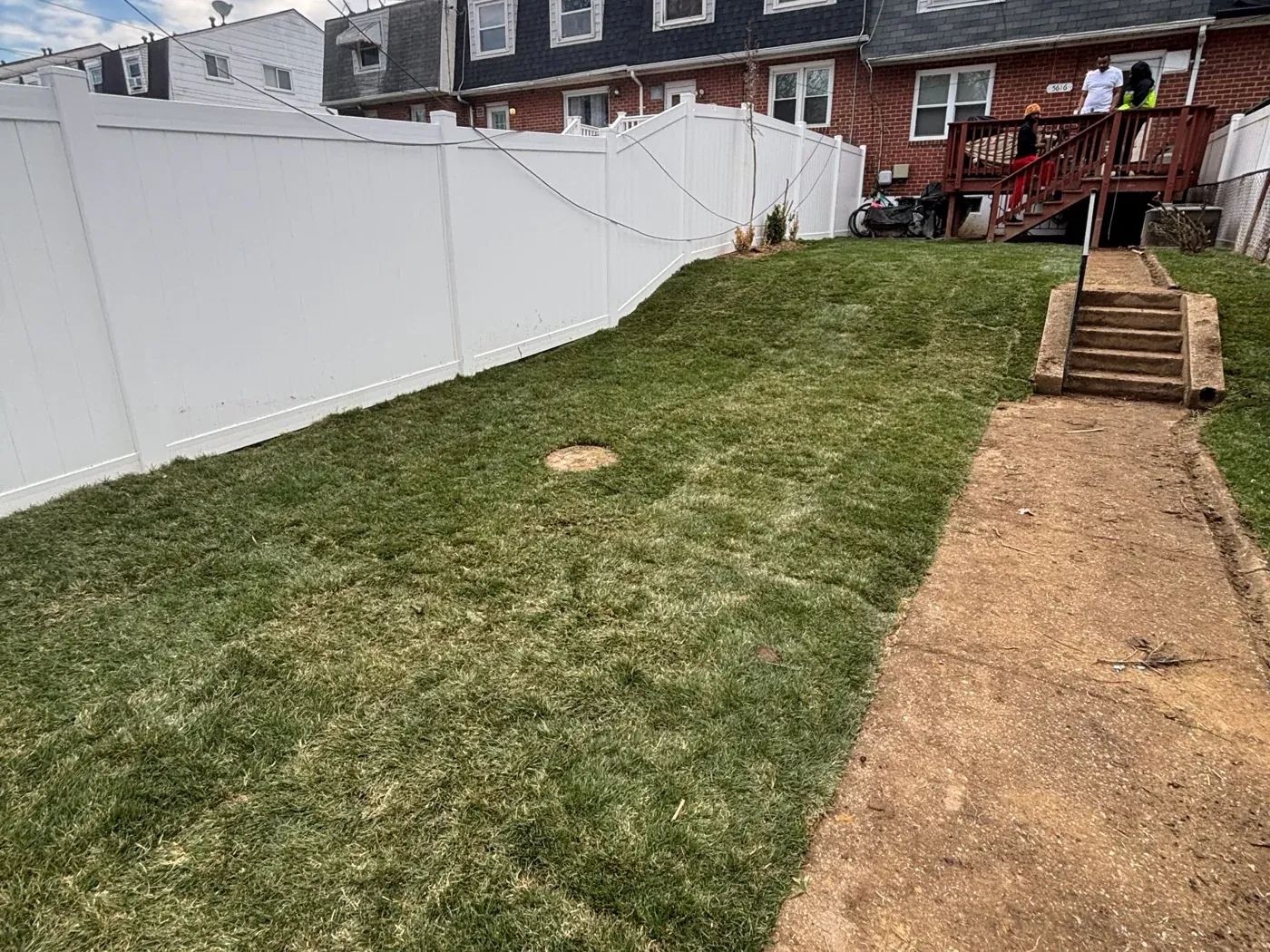
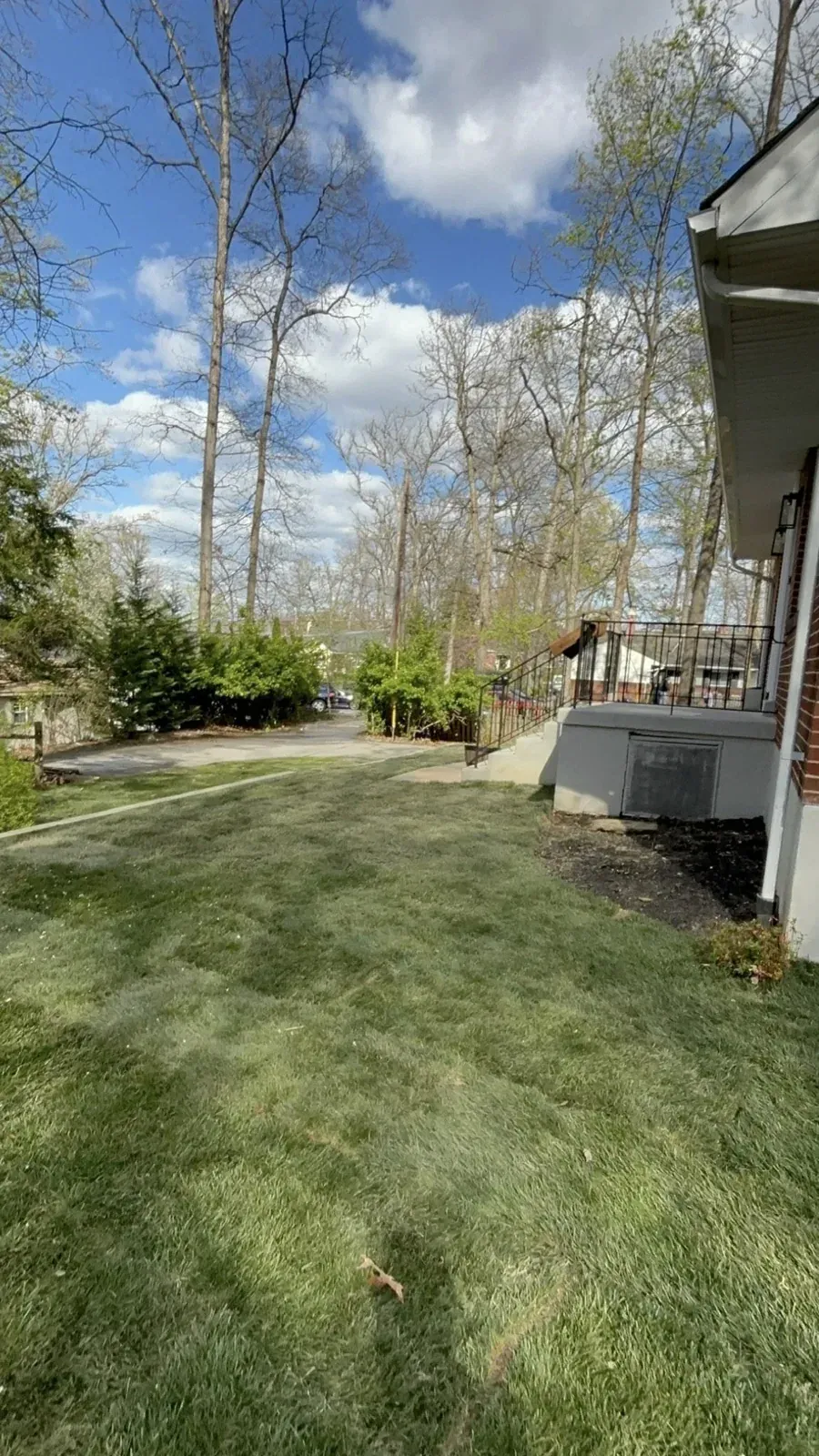
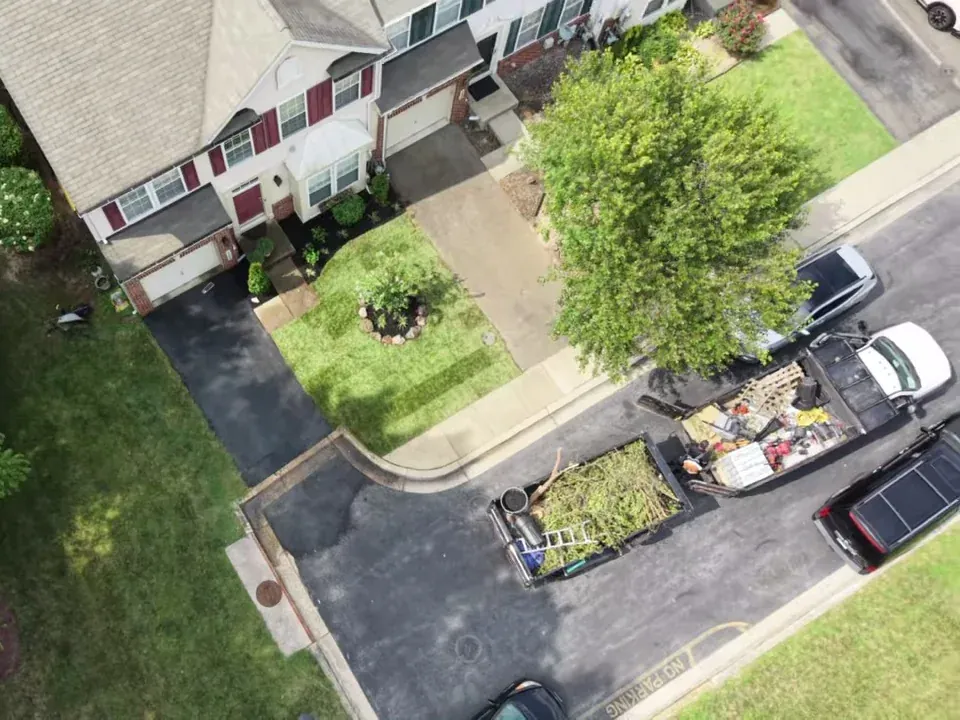
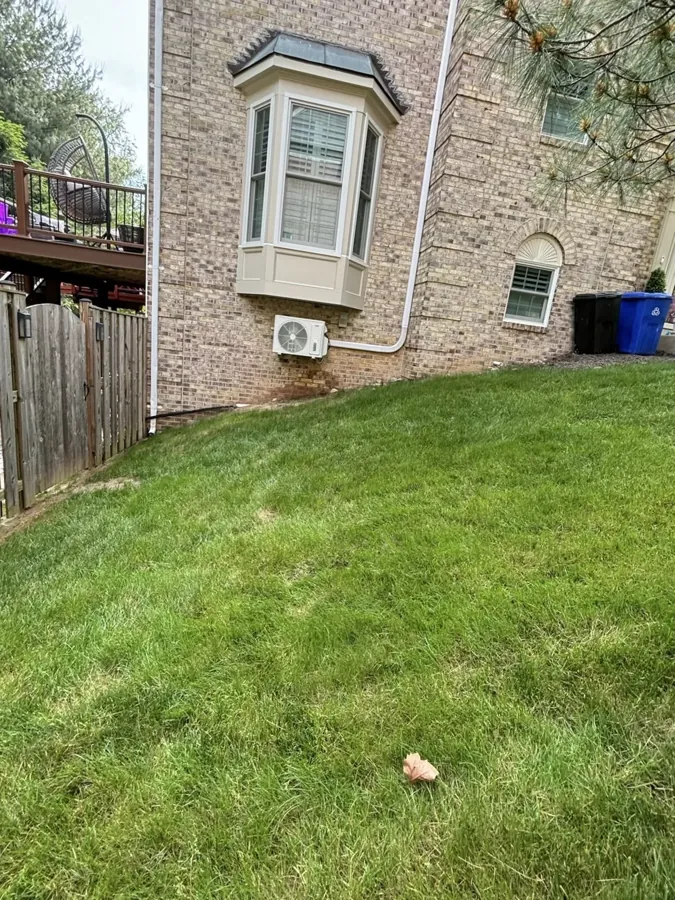
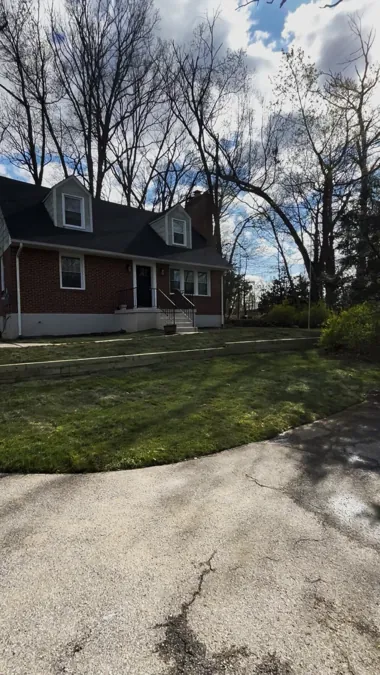
A look at the job.
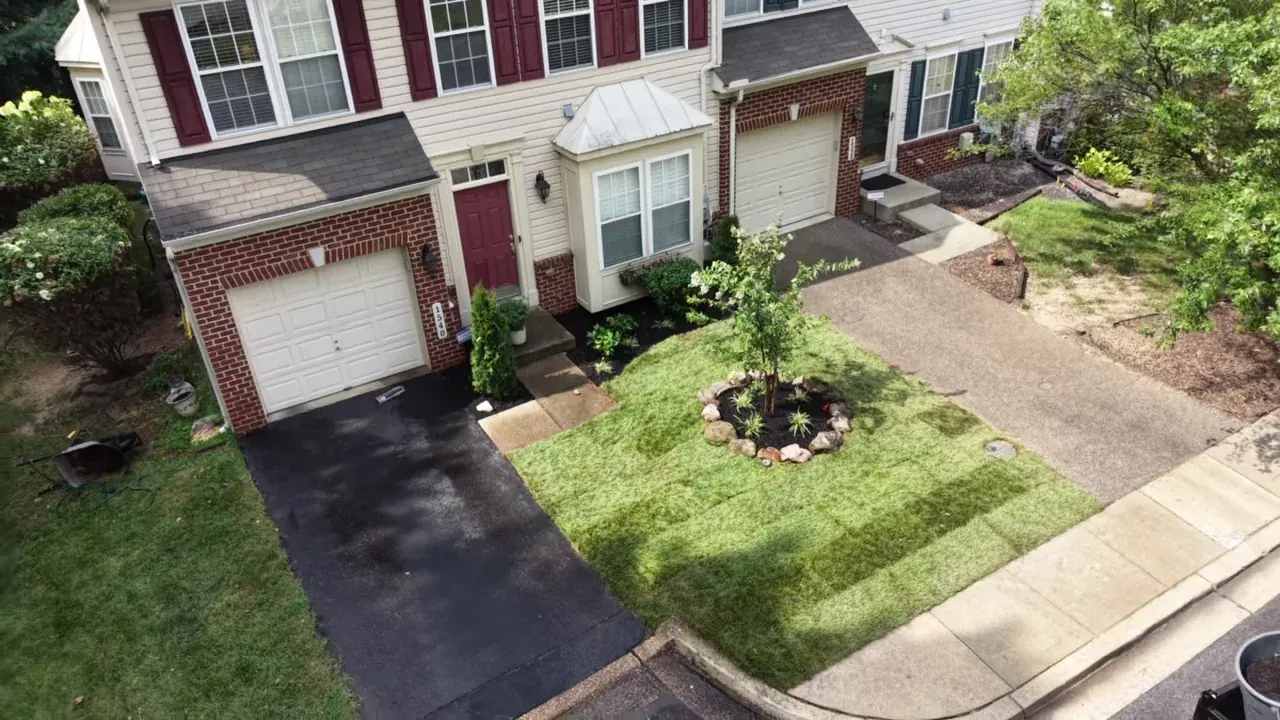
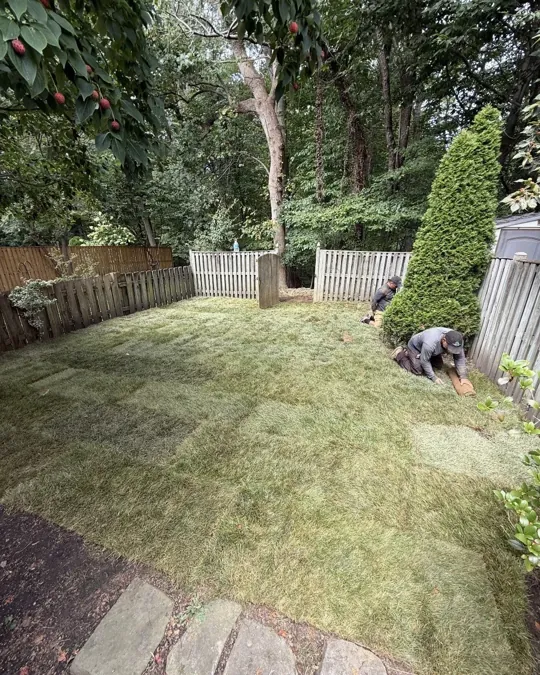
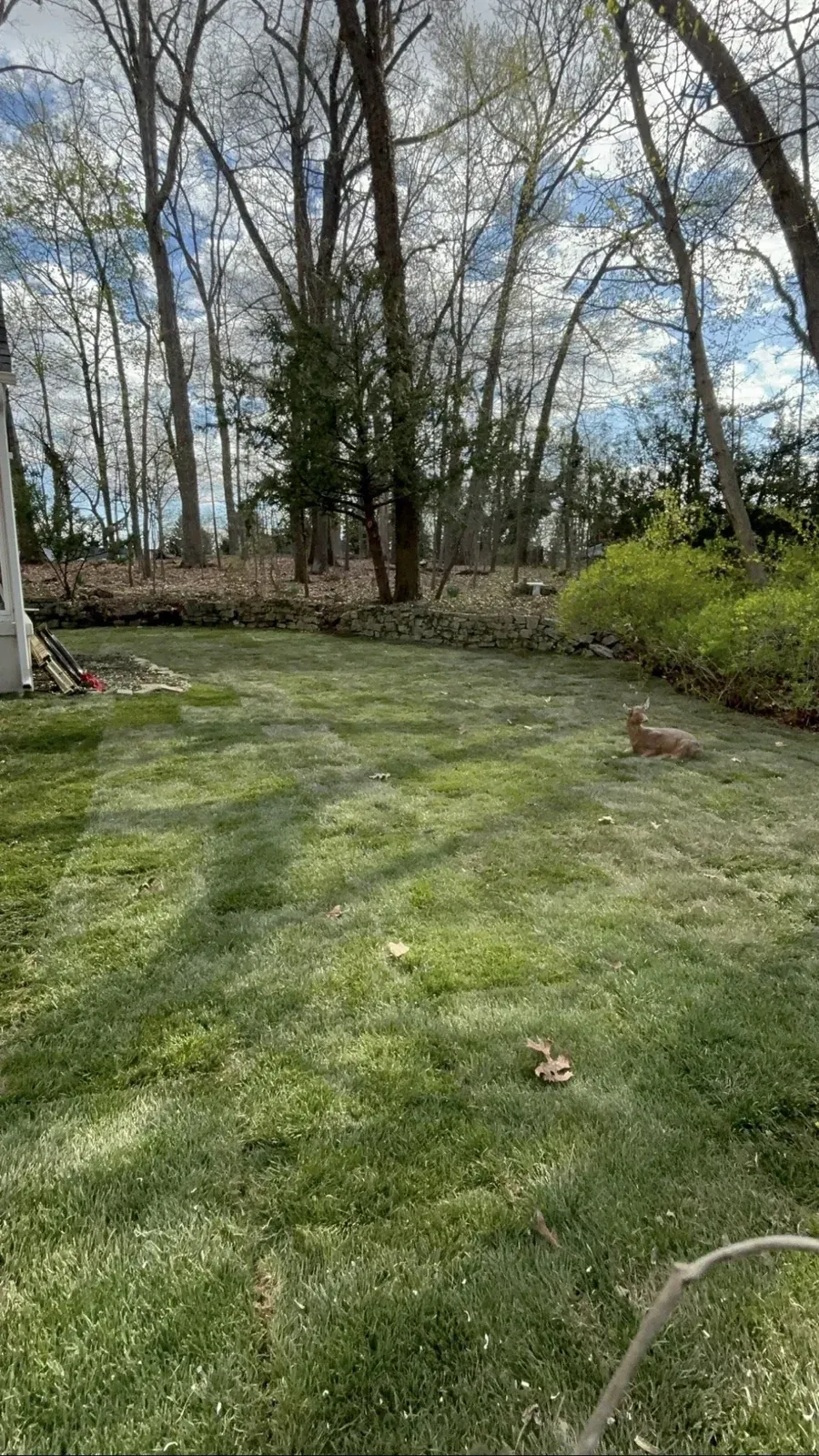
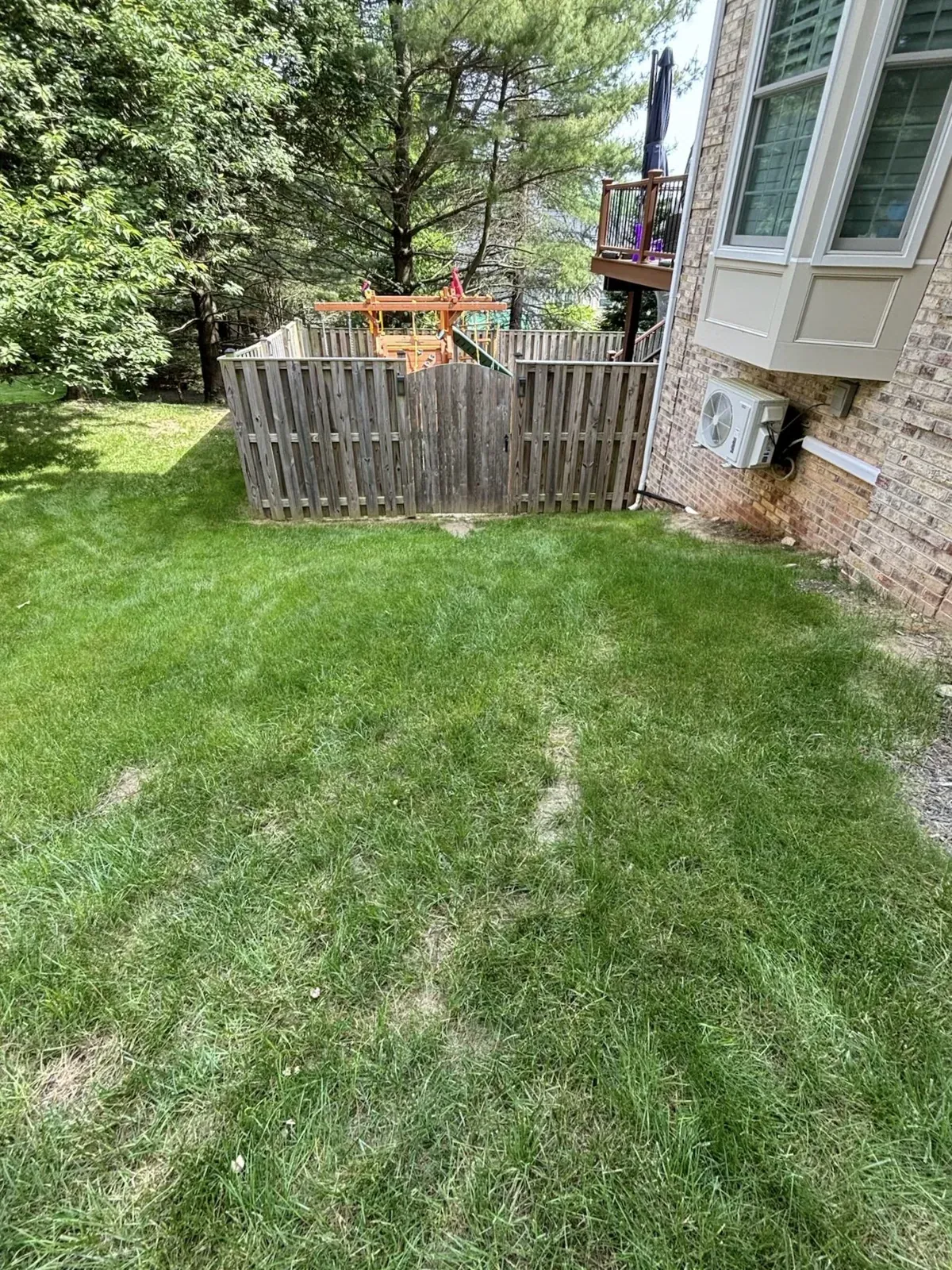
11 photographs from Jamatte sodding & lawn care jobs. Every one is our own work — no stock, no borrowed portfolio.
Why lawns fail here
Compaction
Clay soil plus foot traffic equals ground roots cannot get into. Aeration is the fix.
Standing water
If water sits after rain, grass will not hold. That is a grading problem, not a grass problem.
Too much shade
Under mature trees, no grass will thrive. Sometimes beds or ground cover is the honest answer.
Wrong time of year
Seed and sod laid in the wrong season struggle no matter how good the preparation.
How new sod goes down
The order matters more than any single step. Most of what goes wrong on this kind of work is a stage done out of sequence, or skipped because it is buried by the next one.
Kill or strip what is there
New sod laid on top of an existing lawn roots into a thin layer of dead turf rather than soil. It looks perfect for a month and then goes off in the first dry spell.
Grade before anything else
Low spots filled, the whole run pitched away from the foundation. This is the only point in the job where the ground can be moved cheaply.
Loosen and amend the top few inches
Roots have to leave the sod mat and go somewhere. Compacted subsoil under fresh sod is the single commonest reason a new lawn fails.
Firm, then lay tight and staggered
Seams staggered like brickwork, every piece butted hard against its neighbor. Gaps do not close as it grows - they widen as the cut edges dry and shrink back.
Cut in to the edges
Cut against beds, walks and drives so the lawn finishes on a line rather than petering out into them.
Roll it in
Rolling presses the mat into contact with soil. Roots cross that contact; an air gap stops them.
Water deep, then cut late
The first two weeks decides whether it takes. Water deeply and in the morning - evening water sits on the blades overnight, which is how fungus gets started in a humid Maryland August. First cut only when a gentle tug will not lift it.
Where new lawns fail
Knowing how this work fails is most of how you judge a quote for it. If a price looks low, this is the list to ask about.
Seams open into strips of bare soil
Sod laid dry, or butted loosely. The cut edges dry first, shrink, and the gap widens instead of knitting together.
It never roots and lifts like a carpet
Laid on compacted or unprepared ground. The mat stays alive on its own moisture for a few weeks and then has nowhere to go.
Yellow strips in a pattern
Thin soil over buried rubble, an old path, or a utility run. It shows up in the first dry spell and it is not a fault in the turf.
Scalped and struggling after the first cut
Cut too early or too short. The first cut should take the top off, not level it.
Patches going off in a humid August
Fungal, and usually evening watering. Water in the morning so the blades dry through the day.
About this kind of job.
“I highly recommend Jamatte Landscaping LLC! From start to finish, they were the definition of professionalism. Every interaction was smooth, respectful, and efficient. They came up with thoughtful ideas we hadn’t even considered, and the final result exceeded all our expectations.”
“My projects were really small… I had a hard time getting anyone to even call me back.”
“Came by a few times after the work was done to touch up.”
Asked and answered.
Sod or seed?
Sod gives you a finished lawn immediately and holds soil on a slope straight away, but costs more. Seed is cheaper and gives a wider choice of grass, but takes a season to establish and needs the weather to cooperate. If you need a surface now, or you are fighting erosion, sod. Otherwise seed is often the better value.
When is the best time to lay sod in Maryland?
Sod can go down through most of the growing season as long as it gets water, though the shoulder seasons are kinder than the middle of a Maryland August. We will tell you if waiting a few weeks would give you a materially better result.
How much watering does new sod need?
A lot, at first, and then steadily less as the roots knit in. We write the schedule down and leave it with you, because more new sod is lost to under-watering in the first two weeks than to anything else.
My lawn is patchy, not dead. Do I need to re-sod?
Often not. Aeration and overseeding will thicken a thin lawn for a fraction of the cost of replacing it. We would rather tell you that than sell you turf you do not need.