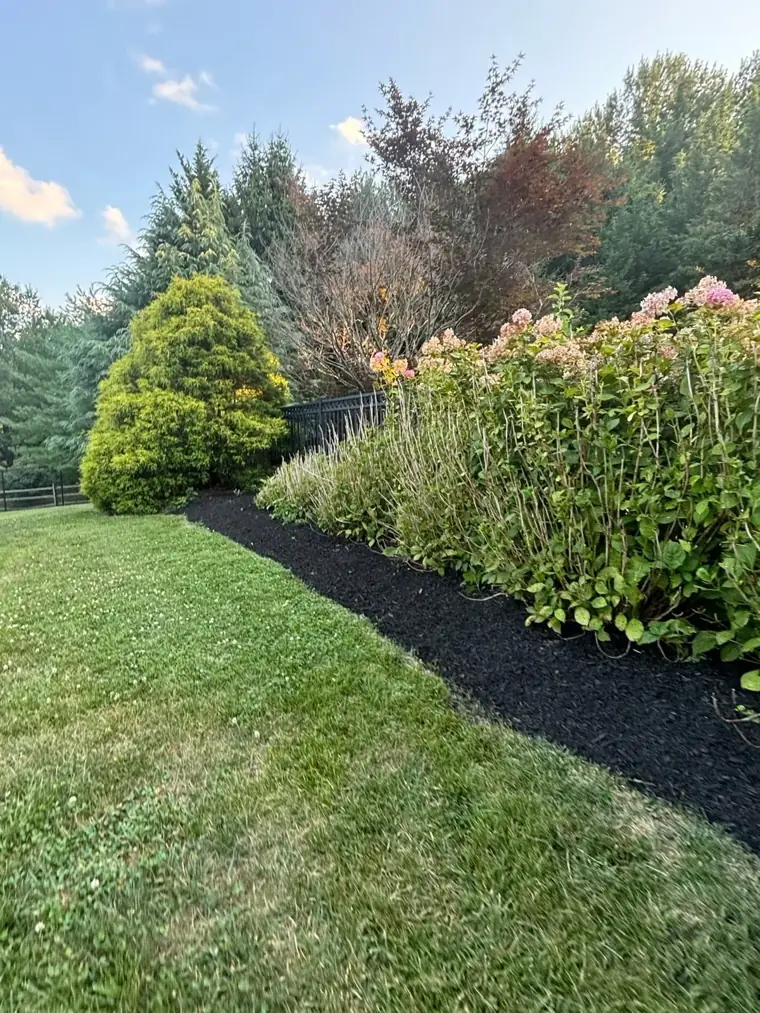
Mulching & Planting in Baltimore County
Clean bed edges, fresh mulch, weeding, and plants chosen for the light and soil you actually have.
The cheapest thing that changes how a house looks.
Nothing else gives you as much visible improvement per pound spent as a clean bed edge and fresh mulch. It is the reason estate agents ask for it before photographs. A yard that is otherwise untouched reads as maintained the moment the beds are crisp.
Mulch is also doing real work, not just looking tidy. It holds moisture in through a dry August, keeps soil temperature steadier, suppresses the weed seed sitting in the top inch of soil, and breaks down slowly into the bed. Laid too thick against stems it does harm instead, which is the most common mistake we are called in to undo.
- Beds cut with a defined edge, not just topped up
- Existing weeds pulled before mulch goes down
- Depth set to suppress weeds without smothering plants
- Mulch kept back off trunks and stems
- Plants chosen for the light and soil in that bed
Mulch and bed edging
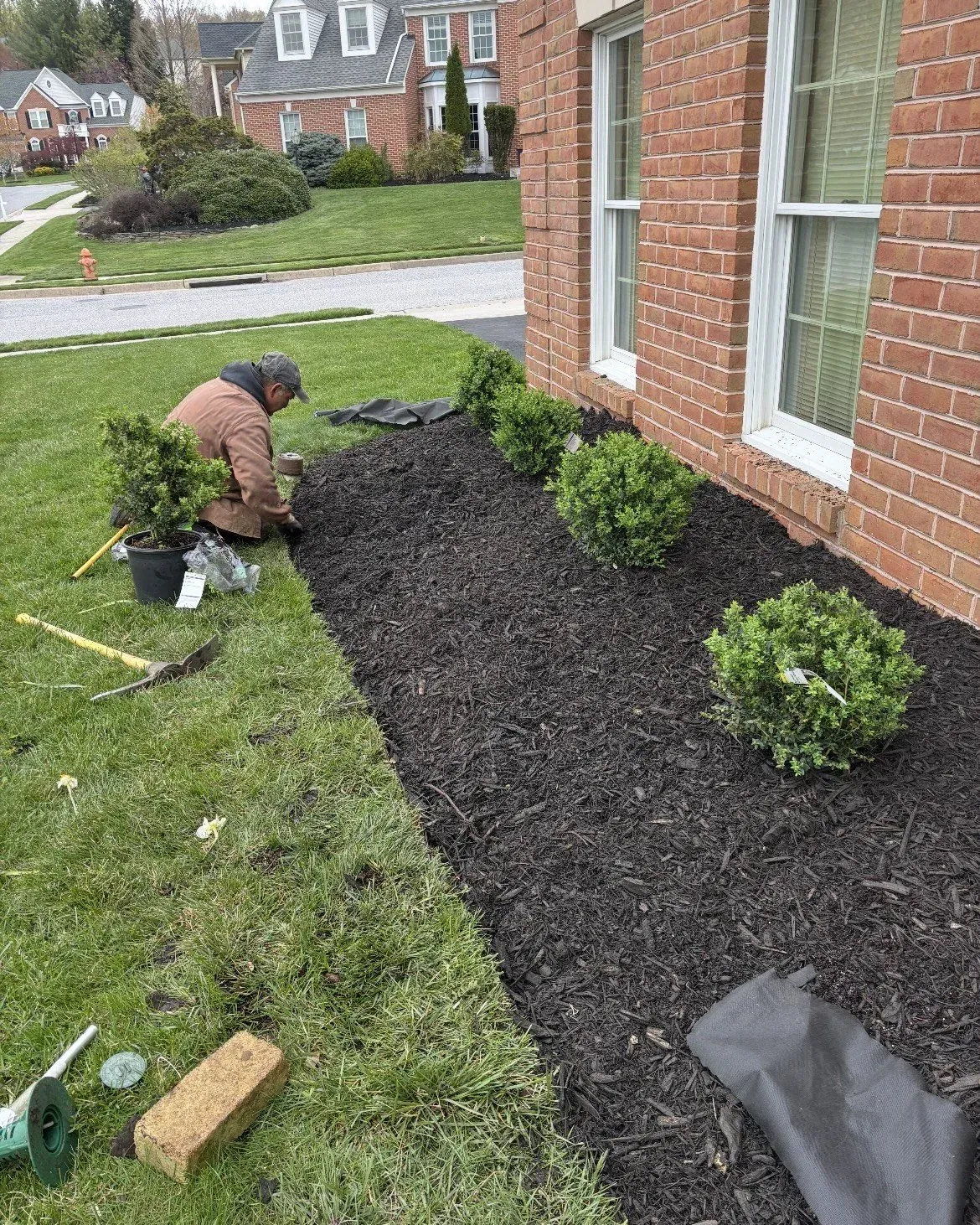
A cut edge is what separates a bed that looks maintained from one that looks overgrown, and it is the part most people skip. We cut the edge first, clear what is in the bed, then mulch to a depth that suppresses weeds without burying the crowns of the plants you want to keep.
- Fresh cut edge on every bed
- Weeding and clearing before mulching
- Black and natural mulches available
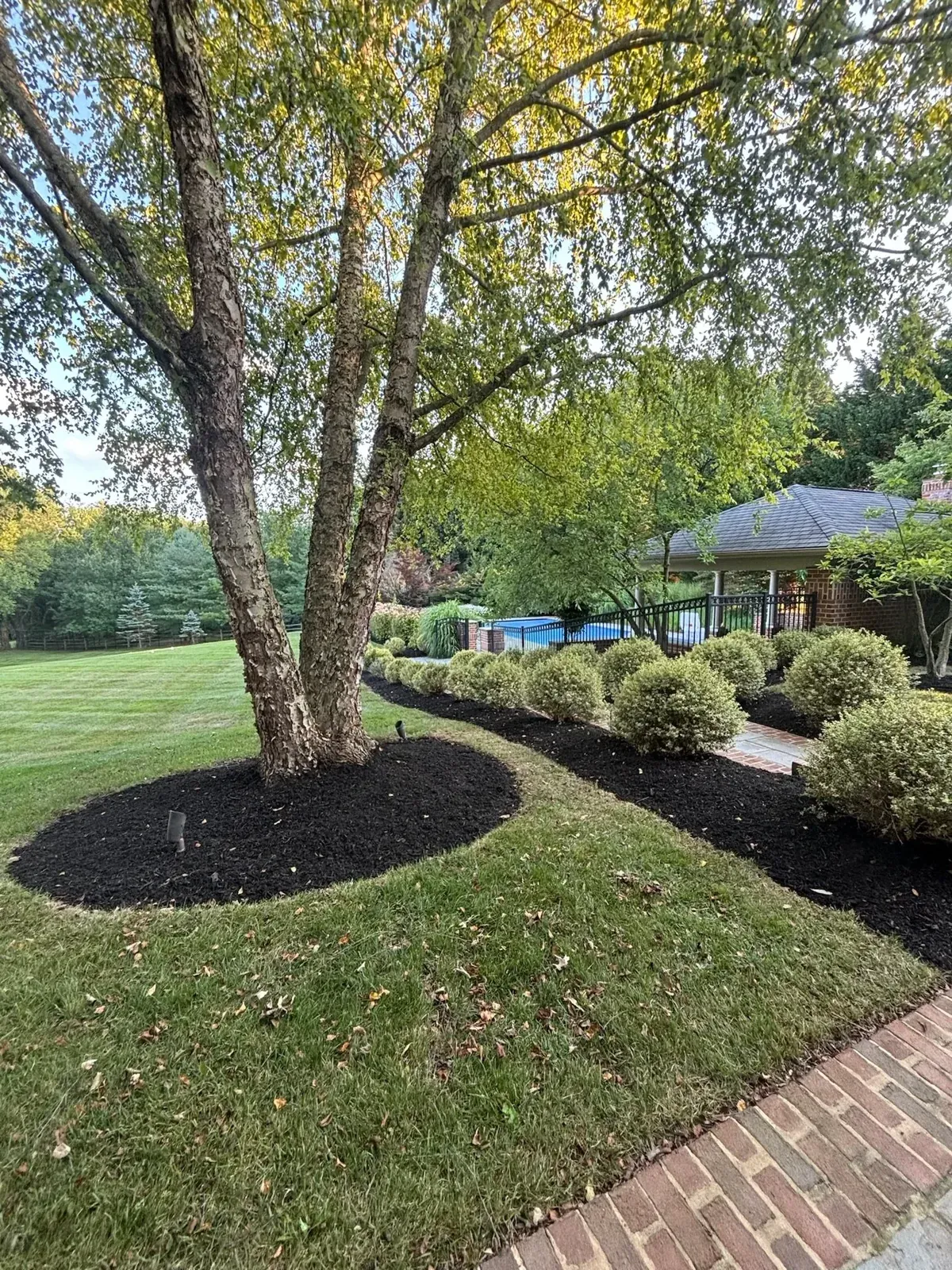
Planting
The right plant for the actual conditions, rather than the one that looked good at the yard center. Full sun on the south side of a house and dry shade under a mature oak are completely different environments, and most failed planting is simply the wrong plant in the wrong place.
- Plants matched to light, soil and drainage
- Shrubs, perennials and ornamental grasses
- Bed layouts planned for how they will look in three years
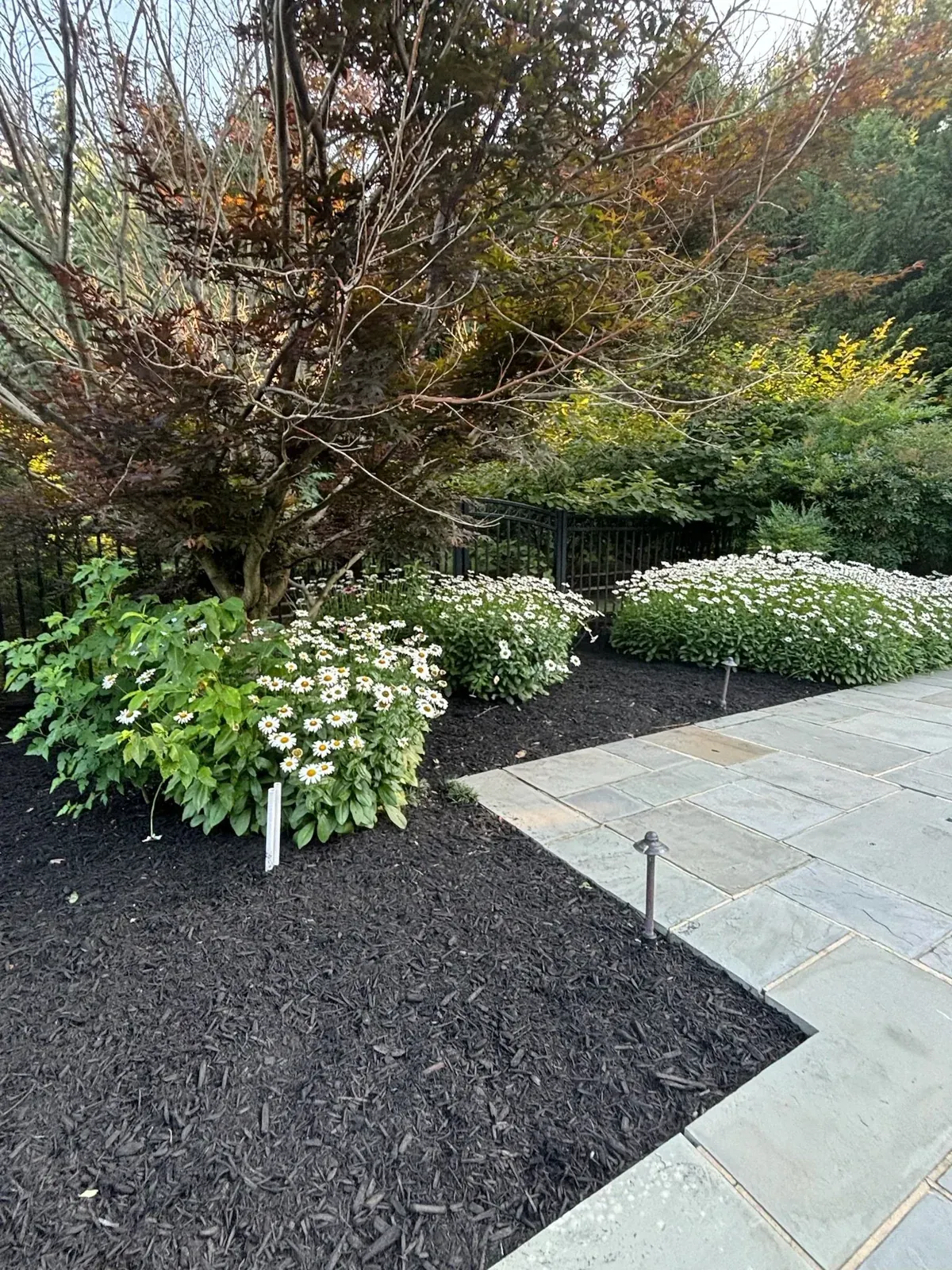
A look at the job.
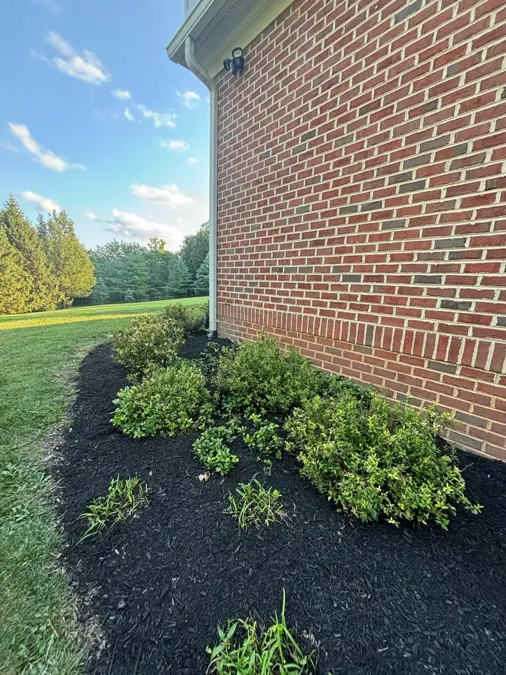
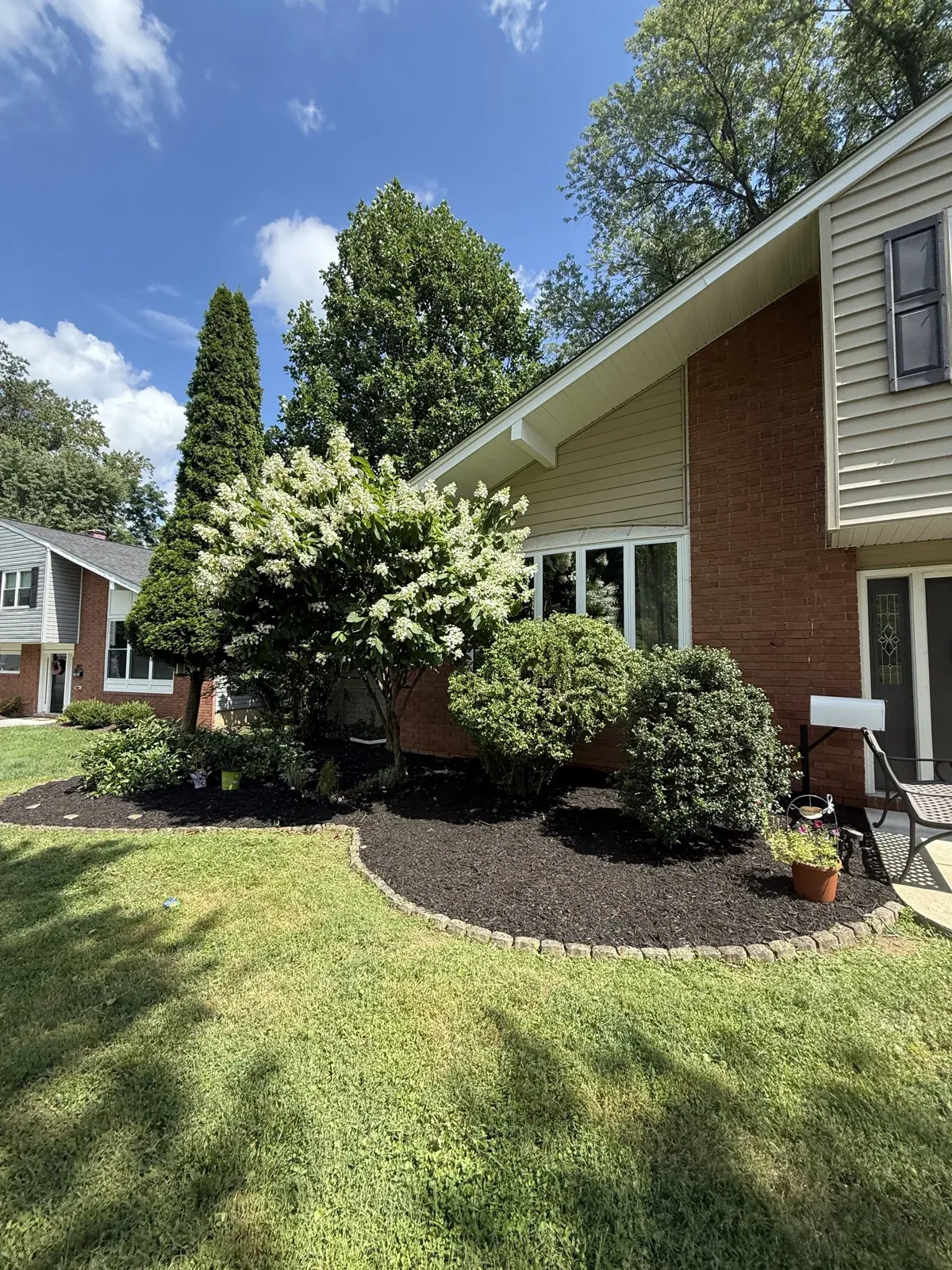
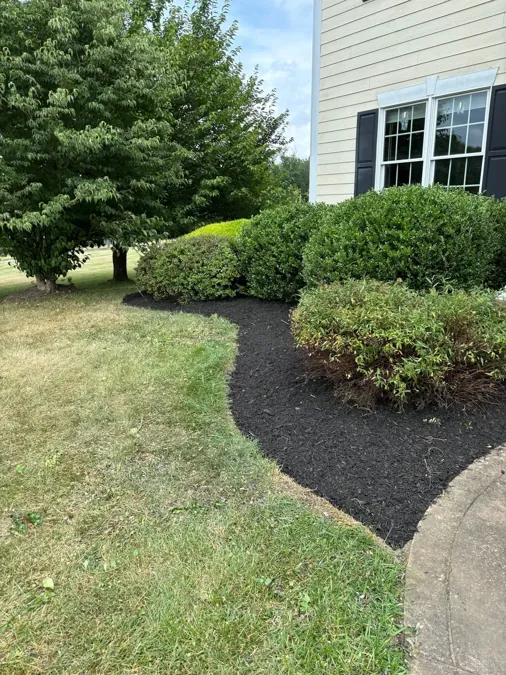
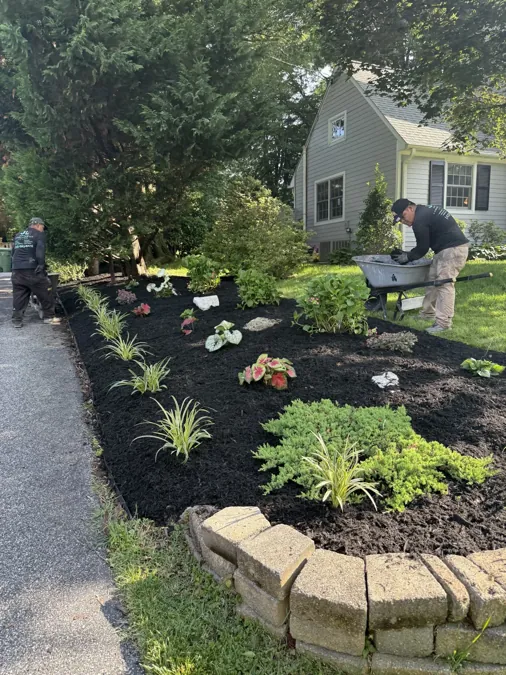
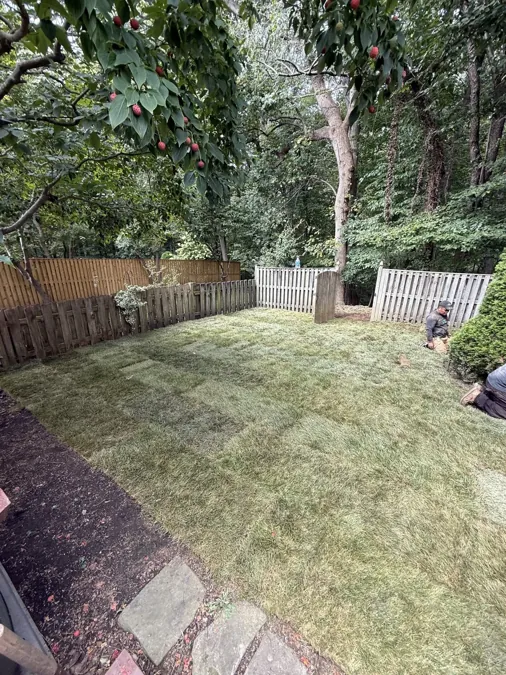
9 photographs from Jamatte mulching & planting jobs. Every one is our own work — no stock, no borrowed portfolio.
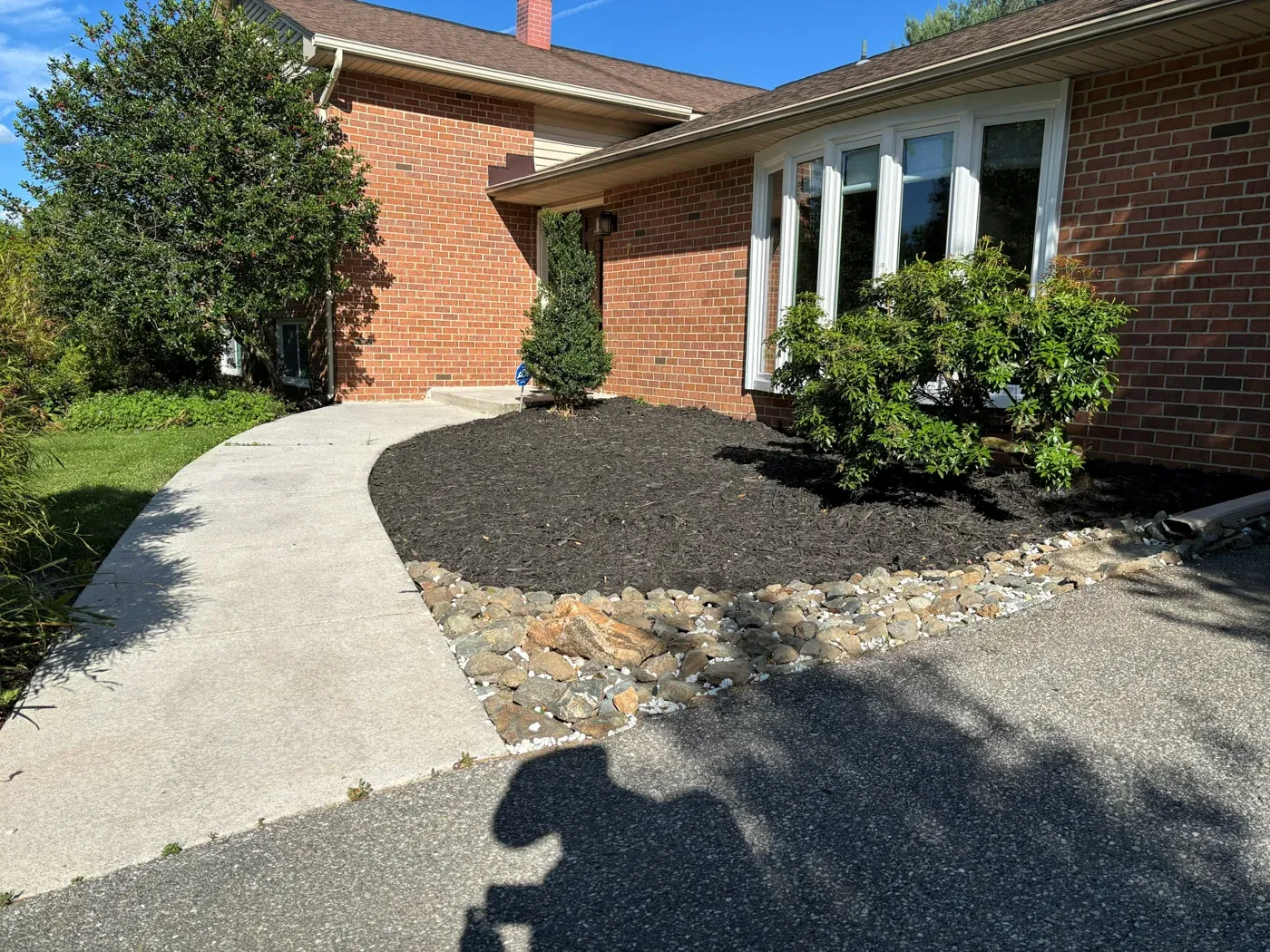
How often it needs doing
Edging
Once or twice a season keeps the line crisp. It is the highest-impact bit.
Mulch top-up
Usually annual. Mulch breaks down into the soil, which is the point of it.
Weeding
Little and often beats one big clear-out. Mulch makes it much less work.
Replanting
Only when something has genuinely failed — and then worth asking why it failed.
How a bed gets done properly
The order matters more than any single step. Most of what goes wrong on this kind of work is a stage done out of sequence, or skipped because it is buried by the next one.
Cut a clean edge
A spade-cut edge is what separates a bed that looks maintained from one that looks abandoned, and it does more for the finished look than the mulch does.
Weed out, do not bury
Perennial weeds come back through mulch. Burying them buys about six weeks. This is the step that gets skipped on a cheap quote, and it is why the bed looks untouched again by August.
Amend where the soil needs it
Much of this county is heavy clay. Beds that hold water all winter kill more shrubs than drought ever does.
Set plants at the right depth
The root flare - where the trunk widens into roots - stays visible. Planting deep is the quietest way to kill a shrub, and it takes two or three years to show.
Water in as you go
Watering in settles soil around the roots and drives out the air pockets that dry them.
Mulch two to three inches
That depth suppresses weeds and holds moisture. Deeper than that and it sheds light rain instead of admitting it, and roots come up into the mulch looking for air.
Keep it off the stems
Mulch heaped against a trunk holds damp on bark that is not built for it. That is what causes rot and girdling roots, and it is entirely avoidable.
Where beds and planting go wrong
Knowing how this work fails is most of how you judge a quote for it. If a price looks low, this is the list to ask about.
Mulch heaped up the trunk
The volcano. It holds damp against bark, invites rot, and encourages roots to circle the trunk and eventually strangle it. It is the most common bad practice visible from any street in the county.
Too much mulch
Past about three inches it starts shedding light rain rather than letting it through, and roots come up into the mulch looking for air.
Shrubs planted too deep
If you cannot see the root flare, it is too deep. It kills slowly enough that nobody connects the death back to the planting.
The same weeds back by midsummer
They were covered rather than removed. Mulch suppresses seed; it does nothing about established perennial roots.
Beds too narrow for the house
A thin strip against a two-story elevation reads as an afterthought. Bed depth has to answer the height of what it sits against.
About this kind of job.
“Nicholas was great to work with from start to finish. His team edged and mulched approximately 7 yards of planting beds and also installed a fence around a raised planting garden bed. He produced a quote quickly, was able to perform the work promptly, and walked the job with me when they were complete to make sure we were satisfied. We have already begun planning our next projects together!”
“Jamatte Landscaping trimmed my bushes and applied mulch today. It looks better than ever. They meticulously prepared the mulch beds by clearing out the weeds and debris and cutting a clean edge. Everything was done skillfully and they cleaned up thoroughly before leaving. I will definitely use them again.”
Asked and answered.
How deep should mulch be?
Deep enough to block light to weed seed, and no deeper. Piled too thick it holds water against stems and roots and causes the problem it was meant to prevent. It should also be pulled back off trunks rather than mounded against them.
Will mulch stop weeds completely?
No, and anyone promising that is overselling. It stops most of what would germinate from seed in the top inch of soil. Anything already rooted in the bed needs pulling first, which is why we clear before we mulch.
How often does mulch need replacing?
Generally once a year for appearance, though it varies with the mulch and the bed. It breaks down into the soil over time, which is doing your beds good even as the color fades.
Can you plant things that will survive under my trees?
Yes, though the honest answer is sometimes that grass will not and a shade bed will. Dry shade under a mature tree is one of the hardest spots in a yard and it needs plants chosen specifically for it.